In today’s rapidly evolving technological landscape, one term that frequently crops up is ‘Computer Vision’. As a self-taught developer with a keen interest in AI, I find myself increasingly drawn to this field. It’s not just a buzzword; it’s a transformative technology that’s reshaping how we interact with the digital world. Let me delve into what Computer Vision really is and why I believe it’s the next big thing.
At its core, Computer Vision is a field of artificial intelligence that trains computers to interpret and understand the visual world. Using digital images from cameras and videos and deep learning models, machines can accurately identify and classify objects — and then react to what they “see”. The process is akin to imparting human-like vision to a machine, but at a scale and speed that’s beyond human capability.
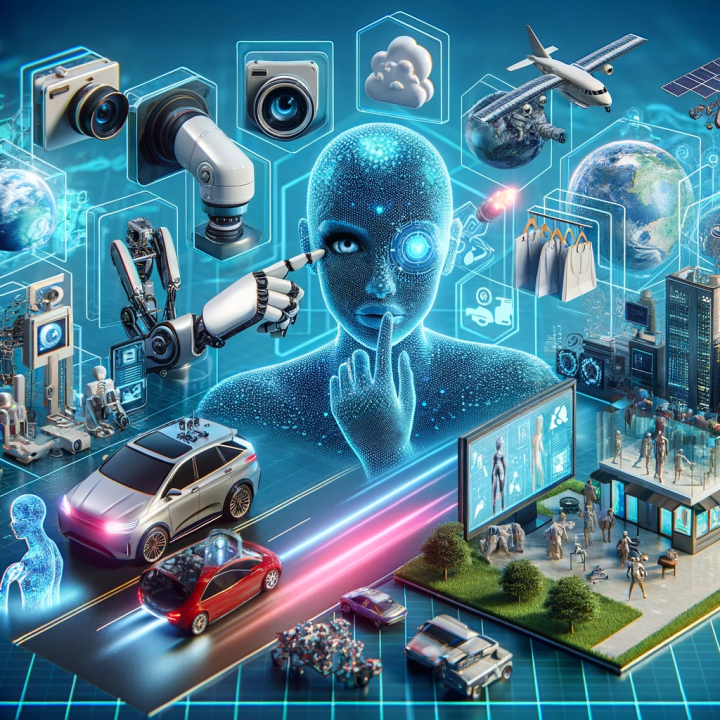
Why do I think Computer Vision is the next big leap? The applications are virtually endless and they permeate every aspect of our lives. In healthcare, for instance, it’s used for more accurate diagnoses through enhanced imaging. In the automotive industry, it’s a pivotal technology for self-driving cars, enabling vehicles to recognize obstacles, interpret traffic signs, and understand road conditions.
Moreover, in the realm of retail, Computer Vision is revolutionizing the shopping experience. Virtual fitting rooms and personalized recommendations based on visual cues are becoming increasingly common. The security sector also benefits immensely, with advanced surveillance systems capable of identifying threats or unusual activities automatically.
Another area where Computer Vision shows tremendous promise is in environmental conservation. By analyzing satellite images, it can track changes in ecosystems, deforestation, and even the movement of wildlife, offering insights that were previously difficult or impossible to obtain.
As someone based in India, a nation that’s rapidly embracing digital transformation, I see enormous potential for Computer Vision. From enhancing agricultural practices through crop monitoring to improving urban planning with traffic and population analysis, the possibilities are limitless. India’s rich cultural diversity and vast geographical expanse provide an ideal testing ground for the scalability and adaptability of Computer Vision applications.
What excites me most is the democratization of technology that Computer Vision offers. With the proliferation of smartphones, millions now have access to powerful cameras. When combined with AI and Computer Vision algorithms, these devices can become tools for education, healthcare diagnostics, and more, making advanced technology accessible to a wider population.
However, with great power comes great responsibility. The ethical implications of Computer Vision, particularly regarding privacy and bias in AI models, are areas that need careful consideration. As a global citizen, I am conscious of the need to develop and use this technology responsibly, ensuring it serves the greater good without infringing on individual rights.
In conclusion, Computer Vision is not just a fleeting trend; it’s a groundbreaking technology that’s here to stay. As a self-taught developer, I am exhilarated by the opportunities it presents. It’s a field that’s ripe for innovation and has the potential to transform industries, societies, and everyday life. Truly, Computer Vision is the next big thing, and I am eager to be a part of this revolutionary journey.
 ZP - Technology & Outdoors
Leave a comment